
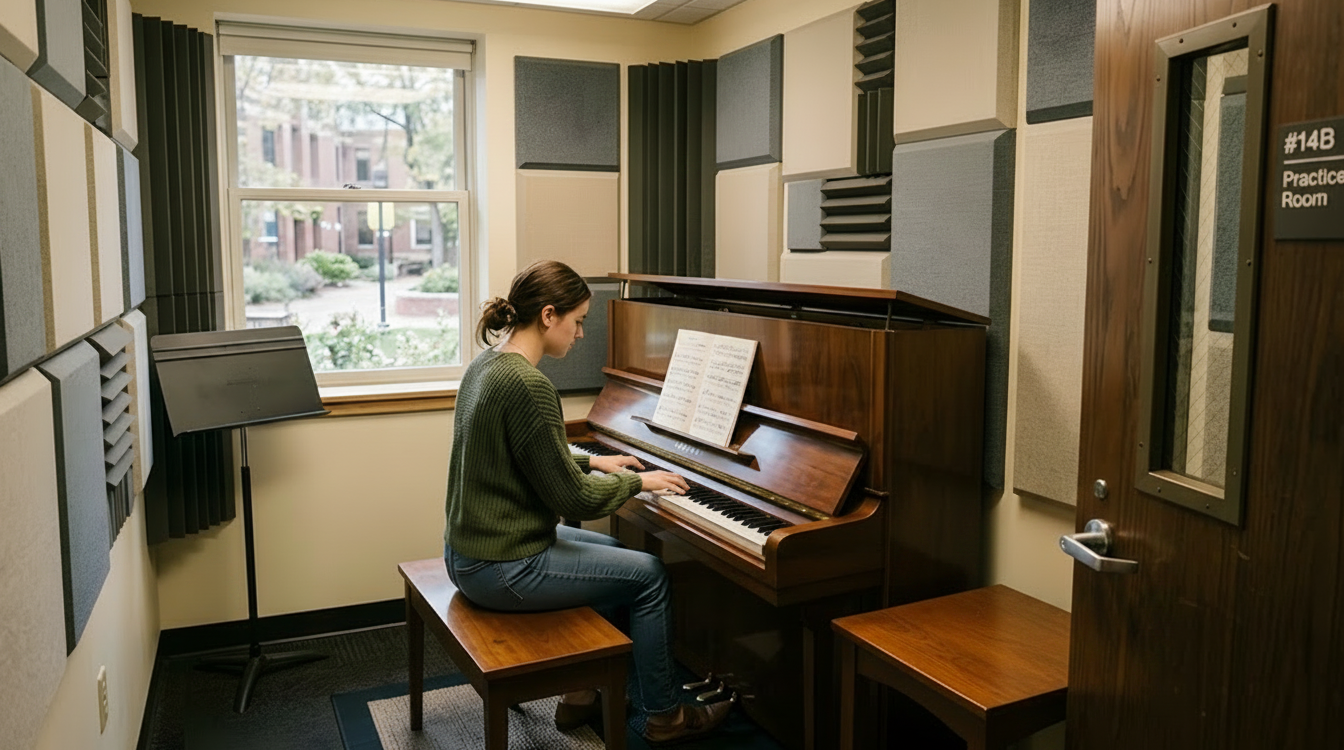
The Question That Doesn't Move With the Metronome
The practice rooms sit in a row in the basement, with thin walls and no windows. We can hear everyone. We tell ourselves the sound only travels one direction. We do real work in that room — verifiable, specific progress we can hear for ourselves. And still, underneath it, a question keeps circling. Will it be enough.

What We Can't See, We Can't Change
We can't update a map we can't see. But we also can't see the map accurately if the layer that's selecting and filtering our perception is already running beneath it.

“It’s not that big a deal.” “It’s just another performance.” “It’s fine. I’ve done this before.”
There is something we do before a big performance that we almost never talk about. We make it smaller than it is. This is not carelessness. It is a very specific kind of preparation. And it costs more than it saves.

The Impostor Pattern Is Not a Mindset Problem
We have spent decades treating Impostor Syndrome as a thought that needs correcting. It is not a distorted thought. It is a physiological strategy that is working exactly as it was designed to work. This piece names what that means, and why it changes everything about how we work with it.

From “Faulty Sensory Appreciation” to Interpretive Perception. Why the Alexander Technique Must Evolve Its Language
The problem is not faulty sensation. It is constrained range.

Embodiment Is a Cultural and Societal Privilege
Not every body arrives with equal access to belonging. This changes what teaching requires of us.

Lesson, Therapy, or Coaching?
This article breaks down the real differences between lessons, therapy, and coaching, and explains why coaching becomes essential once you’re ready to take responsibility for change.
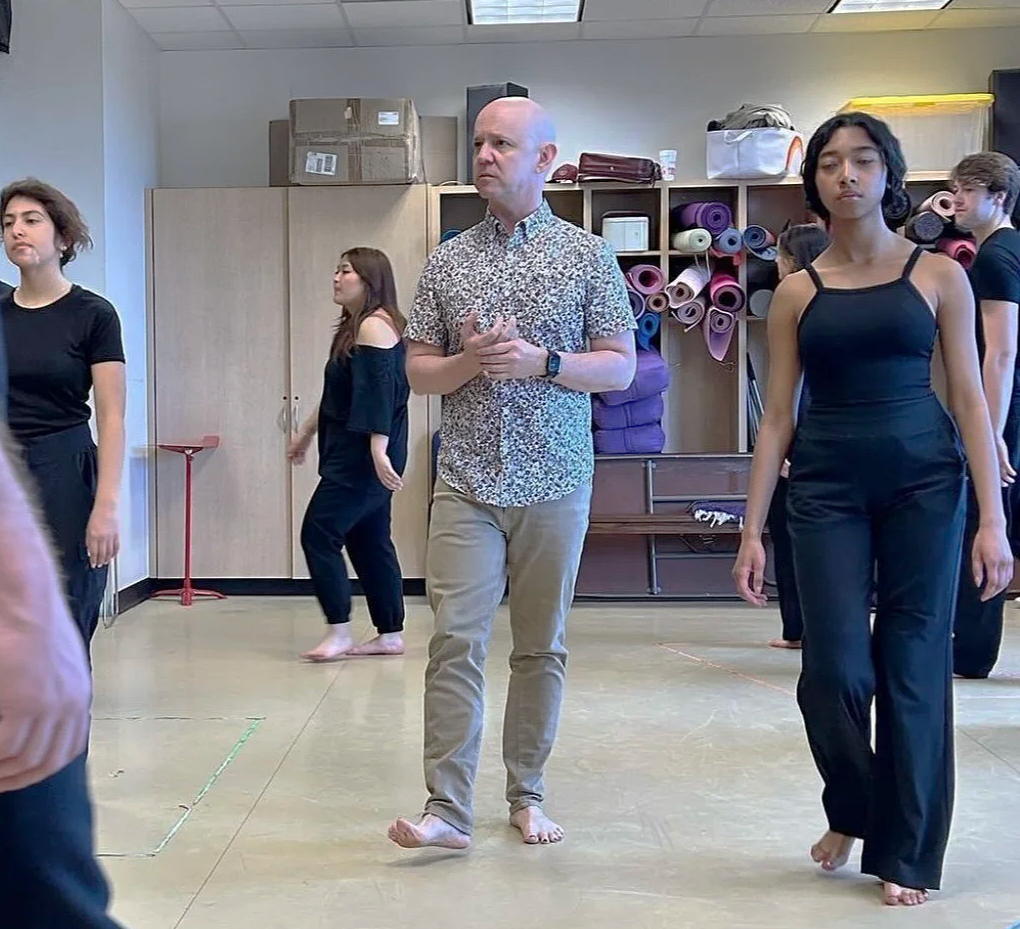
Teaching and Leading in Real Time: How Our Archetypes Shape Presence
Improvisatory presence is not the absence of preparation. It is what becomes possible when we feel steady enough to meet the people in front of us as they are.

I Spent Years Trying to Stay Steady
This reflection explores what our bodies are actually doing beneath the surface, how we lose our range, and how we relearn belonging through shared space, curiosity, and honest connection.

The Privilege of Focus: Why Some Students Can’t Just “Try Harder”
Focus thrives in safety. For college students and young musicians, distraction is often less about discipline and more about survival.

When Thinking Gets Too Tight: The Physiology of Overthinking
This post explores how widening awareness restores ease, flow, and connection.

When Silence Is Survival: A Somatic Reflection on Power, Oppression, and Embodied Courage
Silence is often misunderstood as apathy — but under systems of oppression, it’s often a somatic survival response.

Stop Telling People They Are Broken: Rethinking Sensory Appreciation in Our Work
What we say about sensory appreciation is not only scientifically inaccurate. It is harmful.

The Heart of mBODYed: From Body Mapping to Belonging. Why Nervous System Language Is Now Central to Our Work
Why are we speaking more about the nervous system at mBODYed? Because embodiment without nervous system fluency can overwhelm an already exhausted system.
