
The Question That Doesn't Move With the Metronome
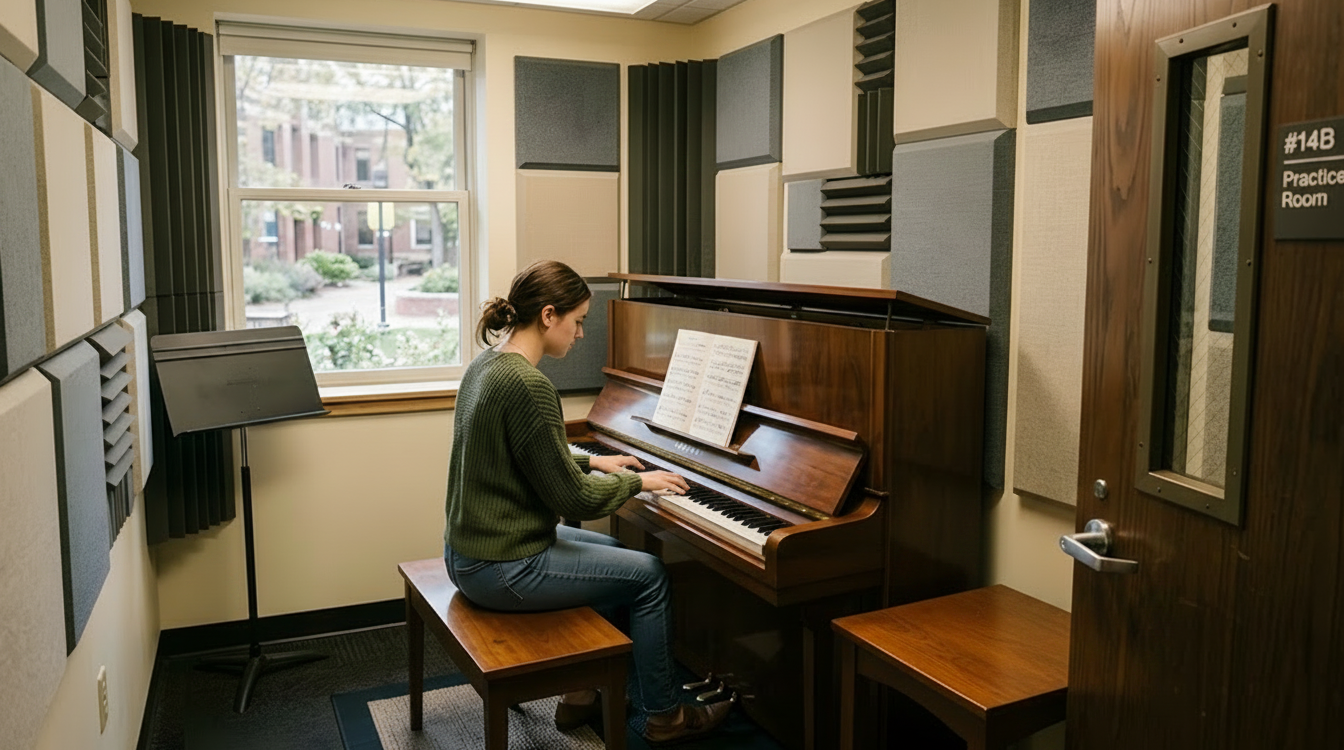
The practice rooms sit in a row in the basement, with thin walls and no windows. We can hear everyone. We tell ourselves the sound only travels one direction. We do real work in that room — verifiable, specific progress we can hear for ourselves. And still, underneath it, a question keeps circling. Will it be enough.
“It’s not that big a deal.” “It’s just another performance.” “It’s fine. I’ve done this before.”
There is something we do before a big performance that we almost never talk about. We make it smaller than it is. This is not carelessness. It is a very specific kind of preparation. And it costs more than it saves.
The Impostor Pattern Is Not a Mindset Problem
We have spent decades treating Impostor Syndrome as a thought that needs correcting. It is not a distorted thought. It is a physiological strategy that is working exactly as it was designed to work. This piece names what that means, and why it changes everything about how we work with it.
The Moment Skill Becomes Forcing
There is a moment in performance where things still sound right, but begin to feel tighter and less responsive. We start managing what we are doing instead of doing it.

People Usually Find This Work Because Something Isn’t Working
Most people don’t seek somatic work out of curiosity. They come because tension, pain, or performance frustration won’t resolve.

Why Musicians Crash After the Stress Ends
When the semester, tour, or run of a show ends, many musicians expect relief. Instead, they feel depleted, flat, or collapsed.

When Knowledge Learns to Breathe
Explore how somatic learning transforms information into embodied wisdom, and why curiosity, not compliance, is the heart of true teaching.

Haven’t We Moved On From Here Yet? Why Pushing on the Belly Isn’t Teaching Breathing
A colleague reached out today, unsettled. They said, “A famous teacher is here, and they’re teaching breathing by pushing on people’s stomachs.”

Beyond Burnout: Building a Nervous System Where Creativity Can Thrive
If you’ve spent years in the cycle of overwork, over-functioning (doing more than your share, staying in constant motion to cope), and quiet burnout, you may not remember what creativity feels like without pressure.

That Work is Mine: Why Musicians Struggle to Take Credit (and How It Fuels Impostor Syndrome)
From our very first lessons, we are taught to transmit—not originate.
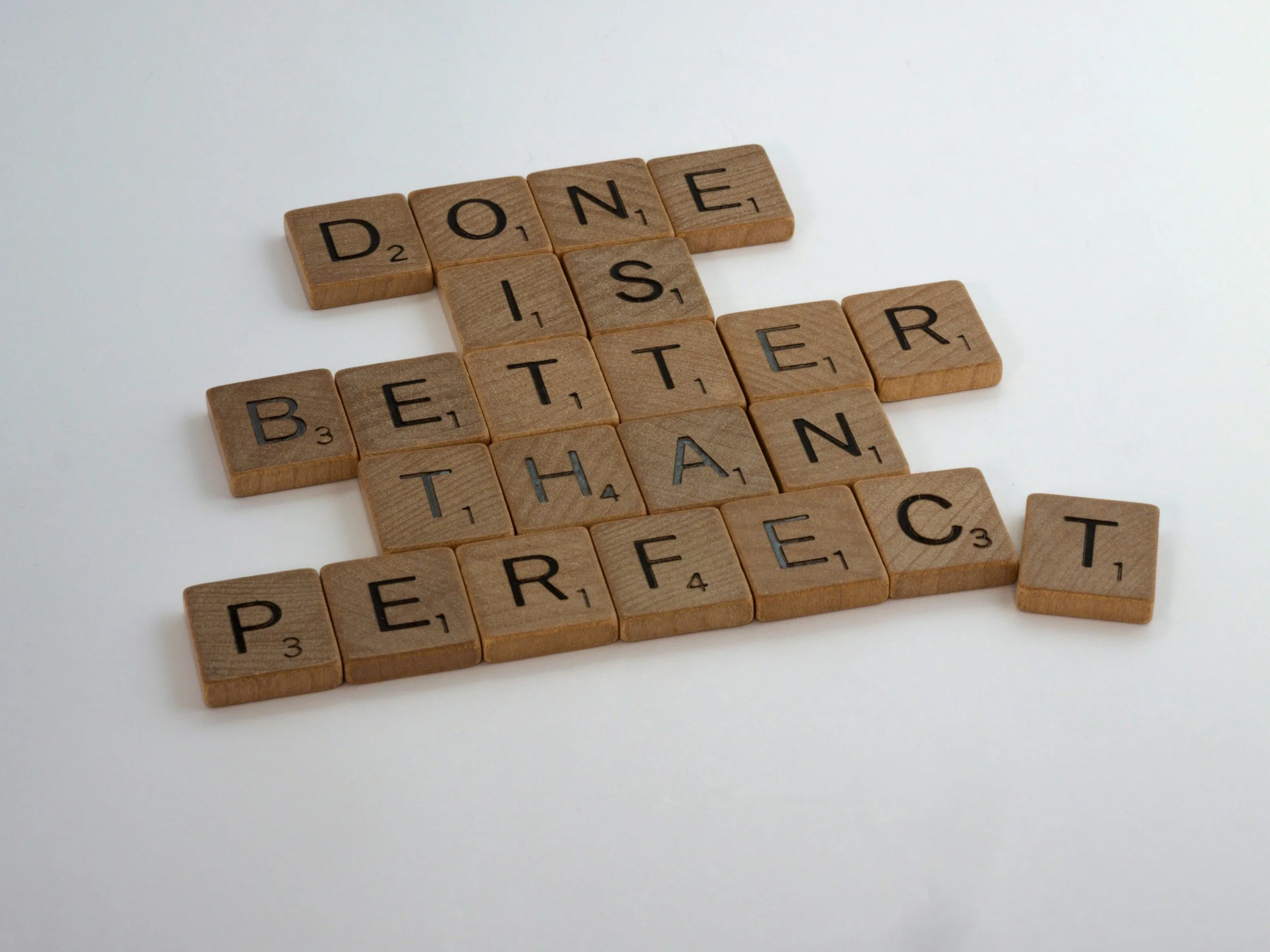
Enough Time to Be Brilliant: Rethinking Perfectionism and Productivity in the Arts
What would it be like to work in an environment where there was actually enough time to do the creative work expected of us, at the level expected of us?

From High-Functioning to Hollowed-Out: A Musician’s Reckoning with Burnout, Academia, and Belonging
When the cost of sustaining performance stops being invisible.

Belonging to Yourself: Reclaiming Identity and Self-Validation
“Reclaim your identity and self-worth from institutions. This post explores how to belong to yourself through somatic awareness, self-validation, and embodied practice for artists, educators, and creatives.”
